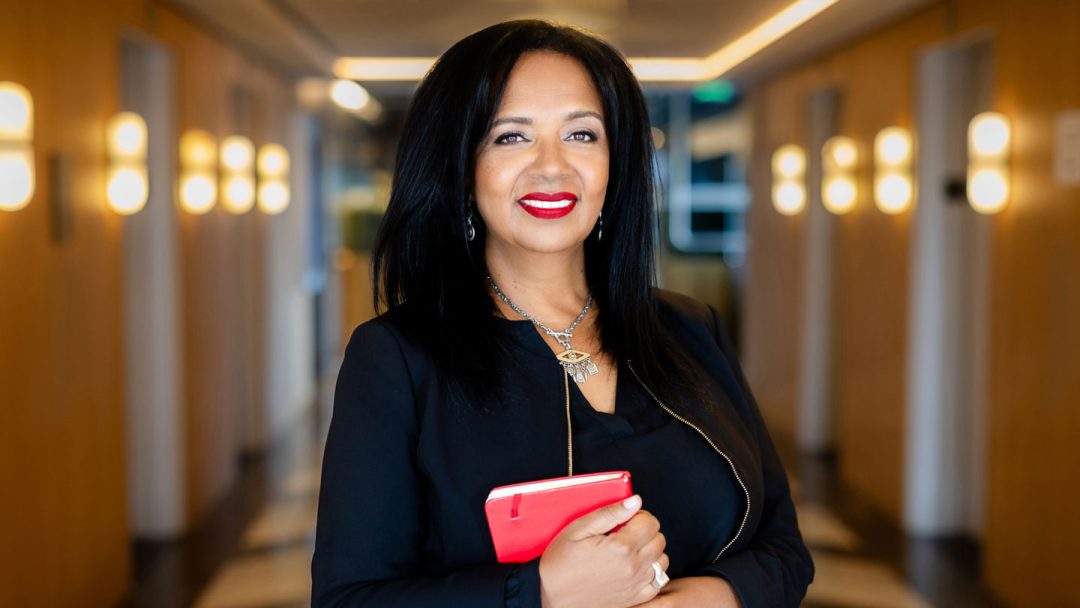
My busiest periods for international corporate travel is late autumn, winter and early spring. They are popular seasons for incentive travel programmes, executive meetings, association conventions, reward trips and international sporting events.
Since 1992, I have worked as an International Corporate Travel Director and Tour Manager for Canadian, American, British, European and Asian meeting planners, incentive travel companies, corporations and professional associations. With my diverse background in the industry from hotels, transportation companies, operations, media relations and more I bring all of these experiences together that few people have to my clients and partners events and programmes.
My work takes place outside Montréal and mainly outside Canada. Depending on the programme, I may be based in a destination for several days, several weeks and even months managing every detail on site and ensuring that guests receive the experience they were promised.
What does an International Corporate Travel Director do?
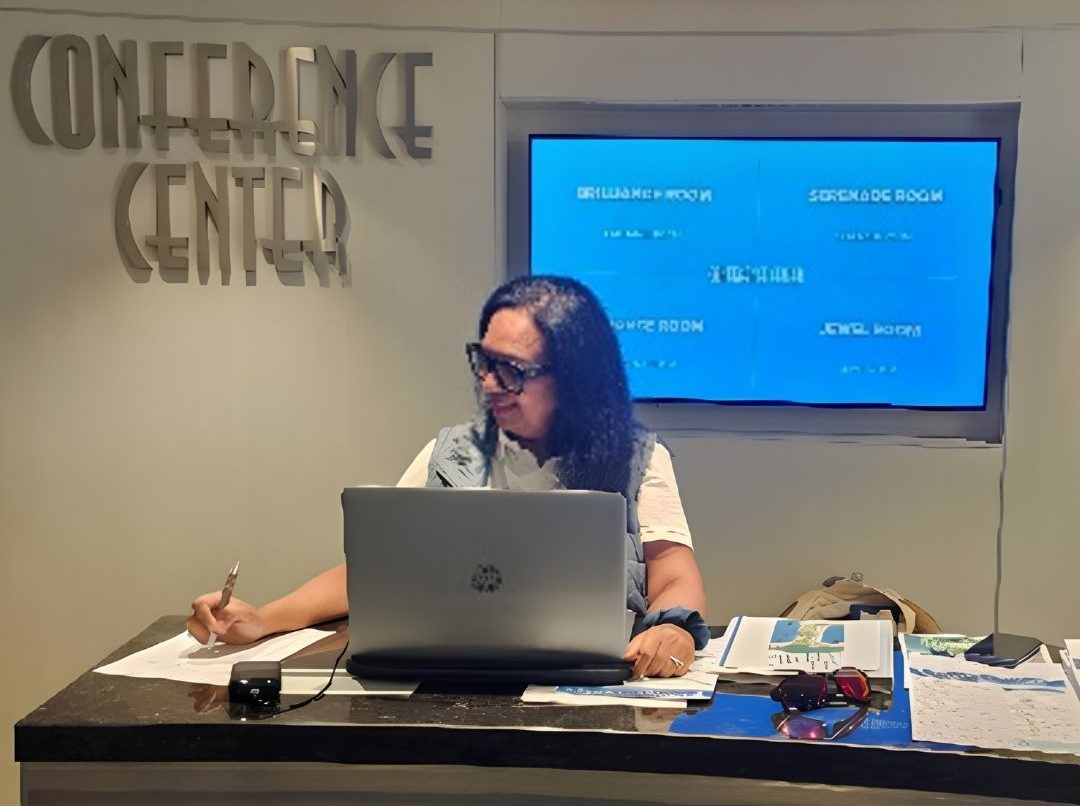
A Corporate Travel Director is responsible for bringing a programme to life once the guests begin travelling.
The position requires far more than greeting people at an airport or standing behind a hospitality desk. It involves understanding the entire programme, communicating with the client and the local destination management company, managing suppliers and remaining ready to respond when circumstances change. It also requires ensuring everything runs on budget.
For groups of fewer than 60 guests, I am often the only Travel Director, supported by the local DMC and destination team. For groups of approximately 100 guests, I usually work alongside the account executive and our local transportation, hotel, activity and hospitality teams.
Each programme is different. My responsibilities may include ensuring these run smoothly
- Airport arrivals and departures
- Airline liaison and flight monitoring
- Hotel operations and rooming lists
- Hospitality desk management
- Transportation and motorcoach movements
- Food and beverage arrangements
- Activities, excursions and special events
- VIP and executive services
- Private concierge services
- Local supplier coordination
- Guest communication
- Interpretation and multilingual assistance
- Emergency response and crisis management
- Daily briefings with clients, planners and suppliers
- Managing programme changes in real time
A successful Corporate Travel Director must see both the complete programme and the smallest details. Guests should enjoy a seamless experience without seeing the work taking place behind the scenes.
Experience matters when plans change
International travel is unpredictable. Flights change. Airlines cancel services. Weather interrupts transportation. Strikes affect airports, trains, hotels and public services. Guests become ill. Luggage disappears. Political events, security concerns and global crises can change an entire programme within hours.
Over the course of my career, I have managed transportation and labour strikes in Italy and France, airline delays and cancellations, hotel challenges, medical situations and many different types of emergencies.
One of the most challenging moments of my career was managing a group in Aruba during the events of 11 September 2001. There was no simple procedure to follow. Communication, sound judgement, compassion and calm leadership were essential.
During an incentive trip to Ireland, an airline strike placed our programme at risk. I arranged a private aircraft to take our guests to their final destination. It was not the original plan, although it became the right solution for the client and the group.
This is why I believe that every international incentive travel programme requires more than one alternative. I prepare a primary plan, a back up plan and a Plan B. For more complex programmes, I also prepare a Plan C.
Preparation creates options. Experience helps me decide which option to use and when to use it.
Working with distinguished professional groups
I have had the pleasure of working with law societies and distinguished leaders on international programmes. One particularly memorable assignment was a journey to the Netherlands with a law society group that included Her Excellency the Right Honourable Louise Arbour, the current Governor General of Canada.
I was the only Travel Director working with our local DMC. Programmes of this nature require discretion, protocol awareness, precise organisation and an understanding of the expectations of senior professionals.
My role is always to protect the client, care for the guests and represent the organising company professionally. I understand the importance of confidentiality and never use a client’s journey for personal publicity.
Travelling ahead of the guests
In most cases, I arrive in the destination before the guests. This gives me time to meet the local DMC, inspect the hotel, review transportation routes, confirm venues, examine arrival procedures and walk through the programme.
A schedule may look perfect on paper and still present challenges once I am on site. A journey may take longer than expected. A hotel entrance may not be suitable for a large arrival. A restaurant may need a different seating plan. Road closures or local events may affect transportation.
Arriving early allows me to identify these concerns and resolve them before the guests arrive.
On other programmes, I travel with the group from the departure city. When travelling with Canadian guests, I may also provide interpretation for guests who do not speak English. My international experience, cultural awareness and ability to work in several languages help guests feel comfortable and supported throughout their journey.
International sporting events require a different approach
I have also worked at numerous international sporting events, including programmes connected to the Olympic Games, World Cup, Formula One and international tennis.
Sporting events create a different set of operational challenges. Security zones, accreditation, restricted access, road closures, last minute schedule changes and large crowds can affect every part of a programme.
Guests may include corporate executives, sponsors, athletes, media representatives, VIPs and invited clients. Each group has different priorities and expectations.
A senior Travel Director must remain organised, flexible and attentive while coordinating with multiple teams. The energy may be exciting, although the responsibilities are considerable.
Association conventions and complex programmes
Some of the most demanding programmes I have managed have been international association conventions.
A convention involves far more than guest travel. It may include registration, accommodation, transportation, speakers, volunteers, social events, tours, meetings, hospitality desks, food and beverage, sponsors and multiple venues.
I have worked on programmes where I have had to assume responsibilities that should have been completed by the organising committee, who have been unable to organise in advance. . My experience allows me to assess what is missing, establish priorities and help move the programme forward. Having been President of the WFTGA and convention planner for 10 of the organisations conventions, I know what challenges associations face.
I understand committees, international associations and the importance of maintaining good relationships while making decisions under pressure. I also understand that the delegates should never feel the difficulties taking place behind the scenes.
Why companies hire me for international corporate travel
Companies hire an experienced International Corporate Travel Director to protect their investment, their reputation and their relationship with their guests.
I bring more than three decades of international experience to every assignment. I have travelled to 151 countries and lived or worked in 30 countries. My background includes corporate incentive travel, executive meetings, association conventions, luxury travel, sporting events, hospitality, transportation, destination operations, training, protocol and guest services.
I am comfortable working independently as the senior lead Travel Director or as part of a larger international travel team.
I know how to communicate with account executives, meeting planners, local DMCs, hotels, airlines, transportation companies, restaurants, activity suppliers and guests. I understand that the planner needs accurate information, practical solutions and someone on site who can be trusted to make sound decisions.
Technology has changed the way we manage travel programmes. Human judgement, experience and personal responsibility remain essential.
When a flight is cancelled, a supplier does not arrive or a guest requires urgent assistance, companies need an experienced person on the ground who can take responsibility and act.
That is the value I bring to every programme.
Book Ruby Roy for winter corporate travel
From November through the winter and into spring, I am available for selected Corporate Travel Director and Tour Manager assignments outside Montréal and outside Canada.
I work with incentive travel companies, event planners, destination management companies, professional associations, luxury travel companies and corporations from Canada, the United States, the United Kingdom, Europe, Asia and other international markets.
If you are planning a corporate incentive trip, executive meeting, international convention, reward travel programme, sporting event or bespoke group journey, I would be pleased to discuss how my international experience can support your team.
Every programme deserves careful preparation, experienced leadership and someone who remains calm when plans change.
To enquire about my availability as an International Corporate Travel Director or International Tour Manager, visit rubyroy.ca.
Ruby Roy